Project Showcase
Centralized Dormitory & Lodging CMS Portal
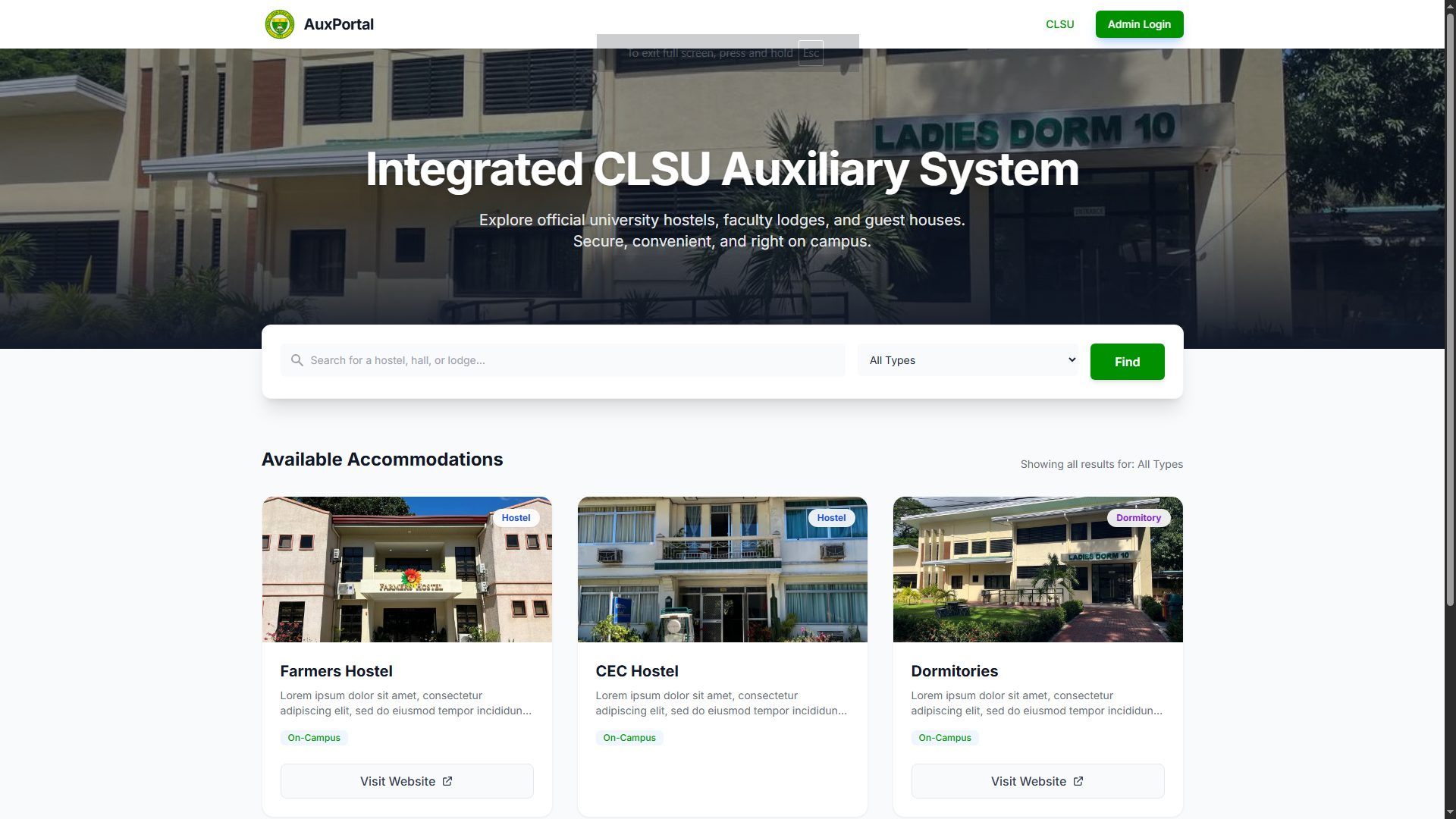
A centralized CMS-powered portal that lists all university dormitories and lodging facilities, allowing users to browse available accommodations and seamlessly navigate to each establishment’s official website.
Overview
Project Summary
This project is a centralized accommodation directory system designed for a university setting. It serves as a CMS-driven portal that aggregates all on-campus and affiliated dormitories and lodging facilities into a single, accessible platform.
Each listing provides essential information and includes direct links to the respective lodging’s official website, enabling users to quickly transition from discovery to detailed inquiry or booking.
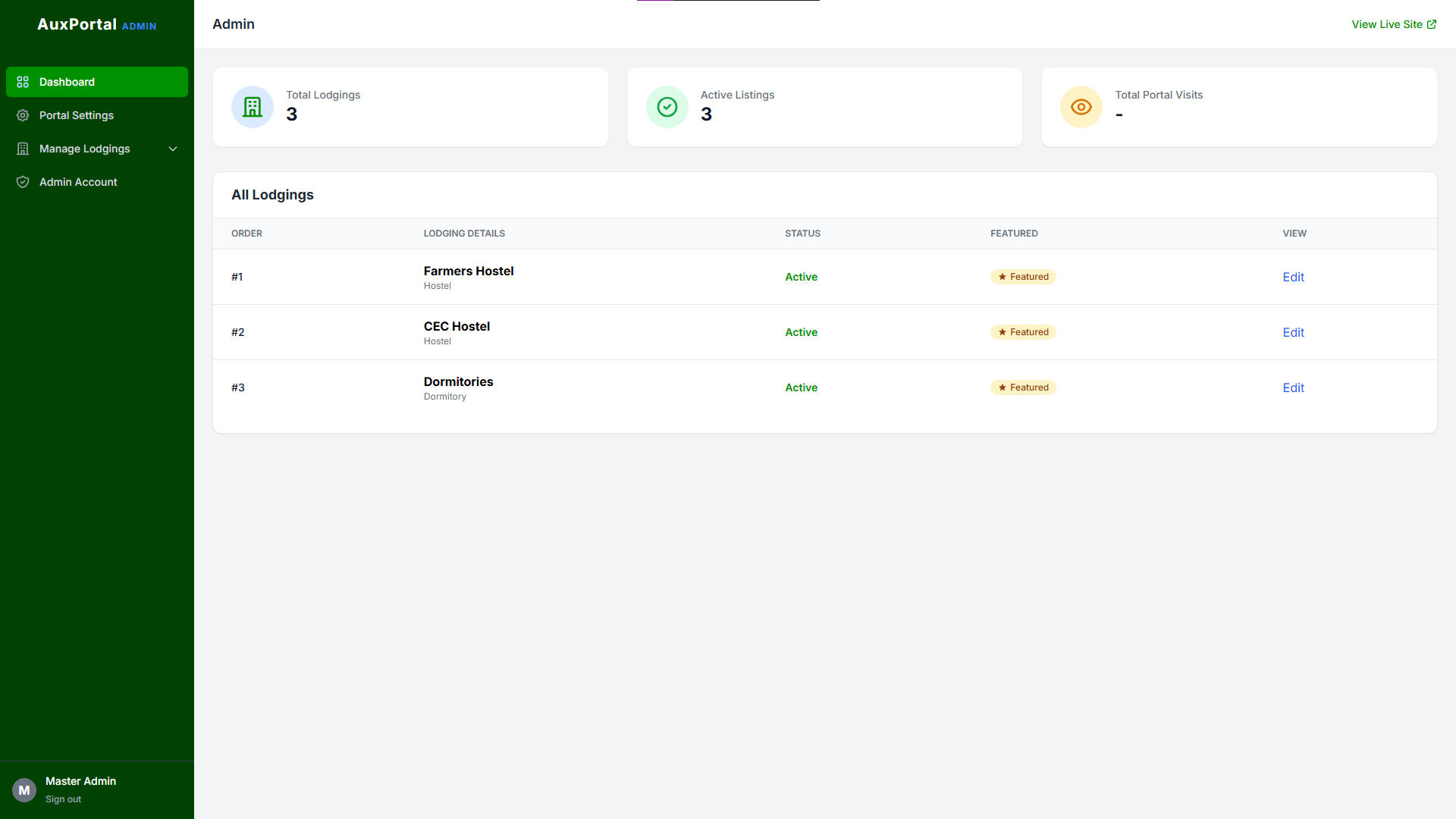
The system is built with a focus on simplicity, usability, and scalability, making it easy for administrators to manage listings while providing students and visitors with a streamlined way to explore housing options within the university ecosystem.
Architecture
Technical Implementation
The system follows a CMS-driven layered architecture with a clear separation between presentation, business logic, and data persistence layers.
1. Presentation Layer: The frontend is responsible for rendering the list of university lodgings and handling user interactions. Each lodging card acts as a navigational entry point that redirects users to external lodging websites. The UI is designed to be minimal and content-focused to prioritize discoverability.
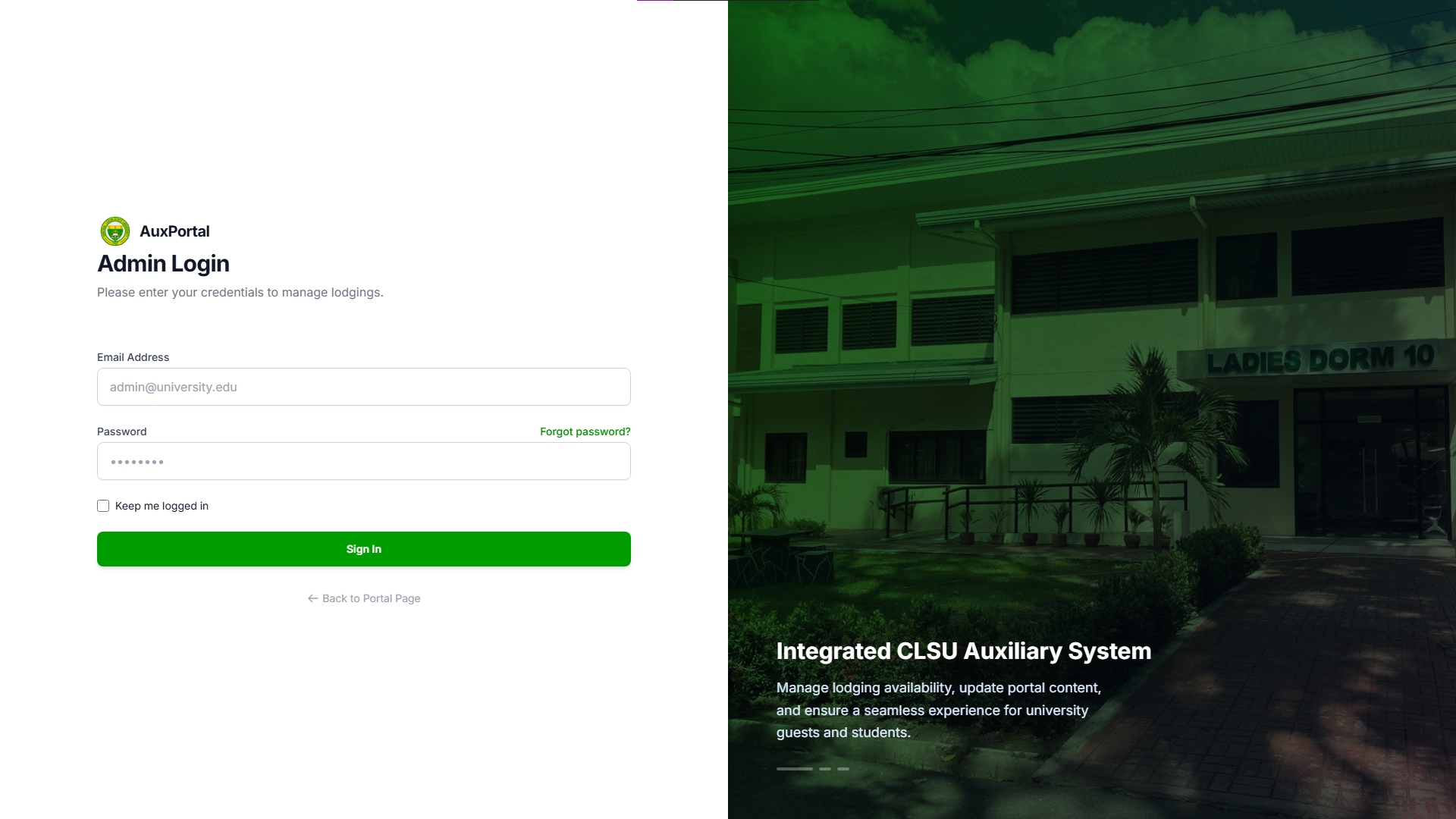
2. Application Layer (CMS Logic): The CMS handles the core management functionality, allowing administrators to create, update, and delete lodging entries. Each entry includes metadata such as name, description, logo, and external URL. This layer enforces data validation and ensures consistency of published listings.
3. Data Layer: A relational database is used to store lodging records. Each record represents a single accommodation entity with fields for identity, descriptive content, and external linkage. The schema is intentionally lightweight to support scalability and easy extensibility (e.g., adding categories, campus grouping, or availability status).
4. Routing & Navigation Flow: Users interact with a directory-style listing page. Selecting a lodging triggers a client-side or server-side redirect to the associated external website. No booking logic is handled internally, keeping the system purely informational and referral-based.