Project Showcase
Hotel & Lodging Booking, Reservation and Management System
A full-featured Laravel-based hotel and lodging management system supporting real-time room booking, walk-in reservations, discount processing, automated booking lifecycle rules, and advanced administrative reporting and analytics.
Overview
Project Summary
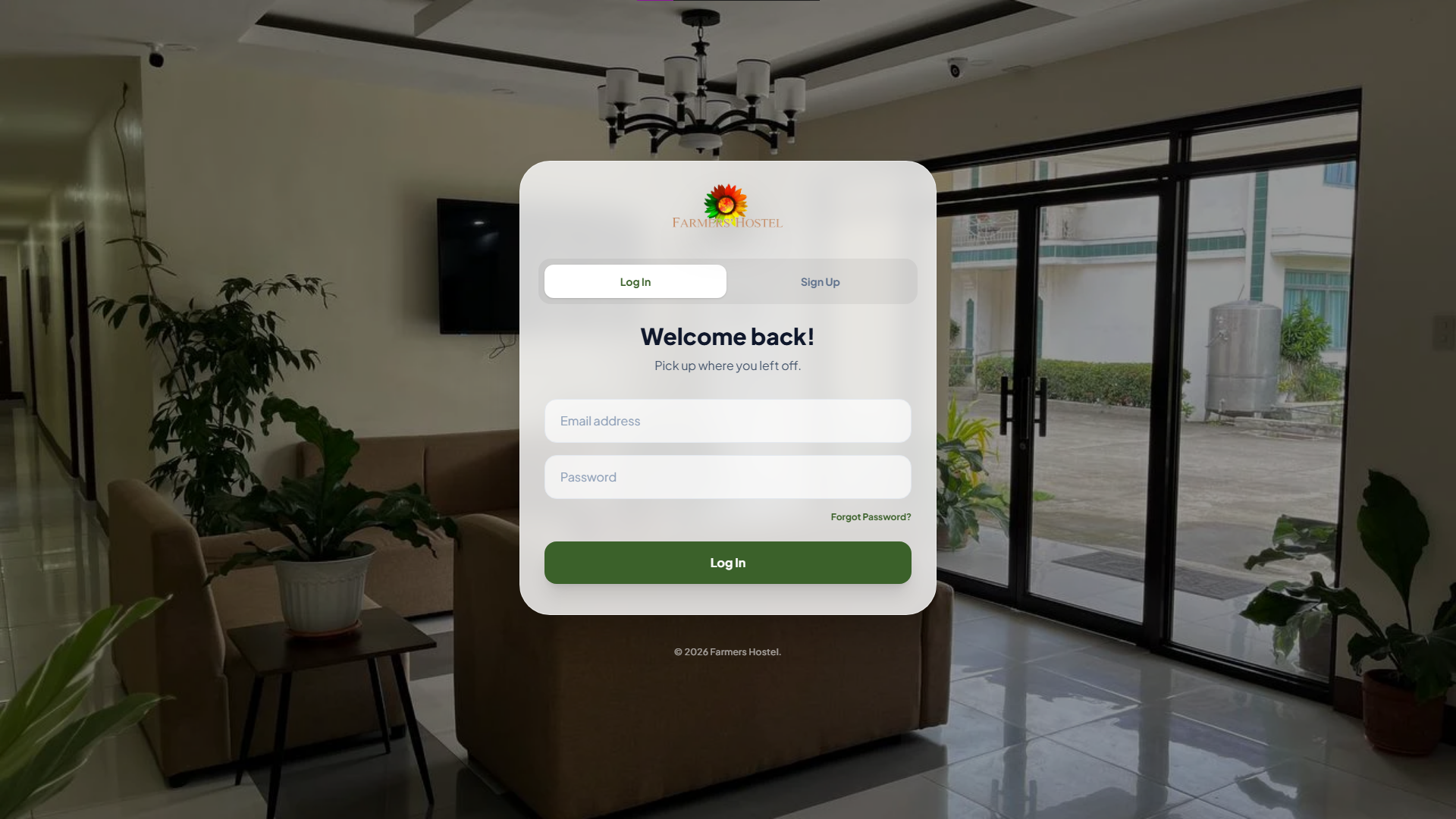
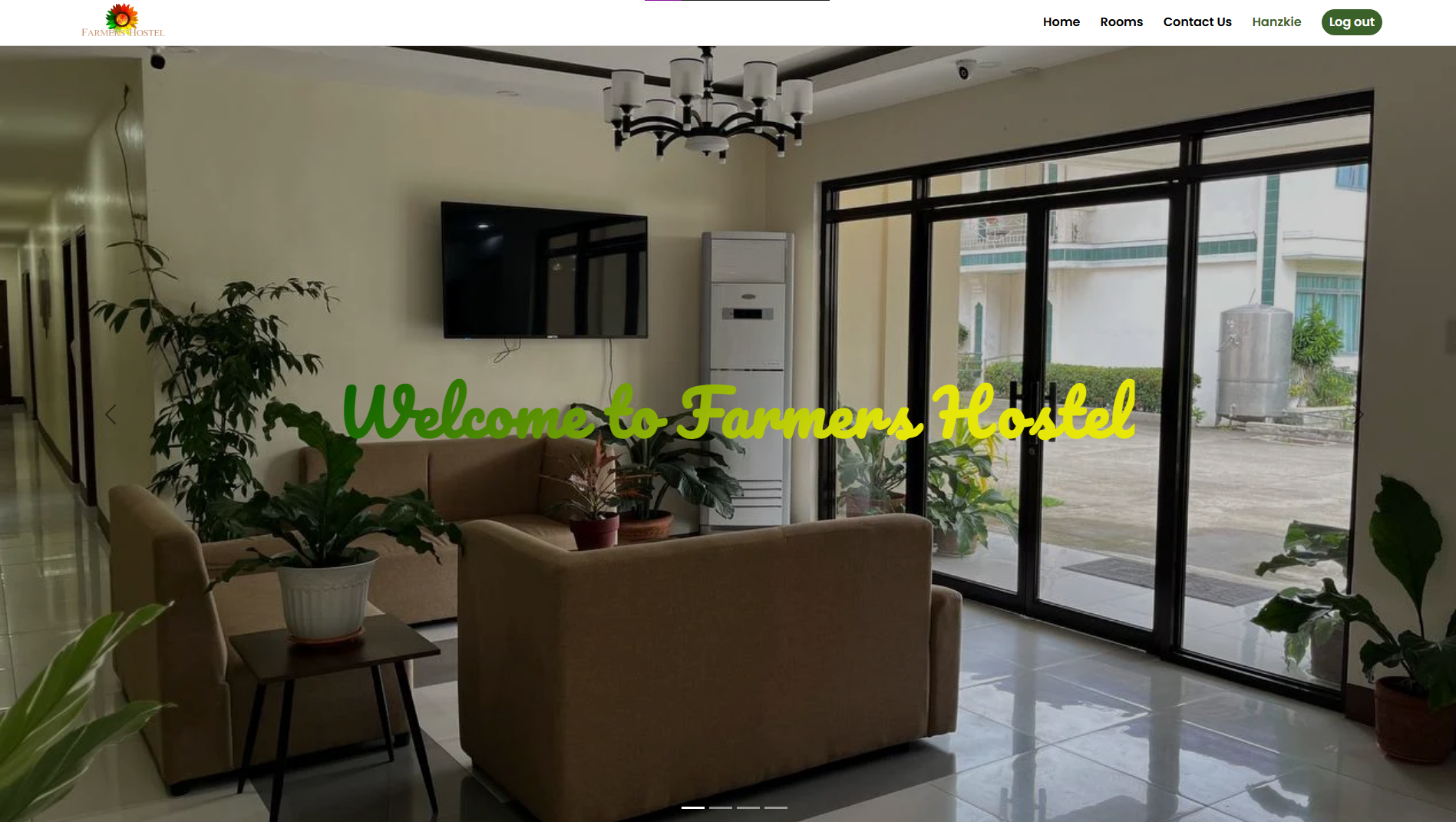
This capstone project is a comprehensive hotel and lodging reservation and management system developed using Laravel. It is designed to handle both customer-facing booking operations and complex administrative management workflows within a unified platform.
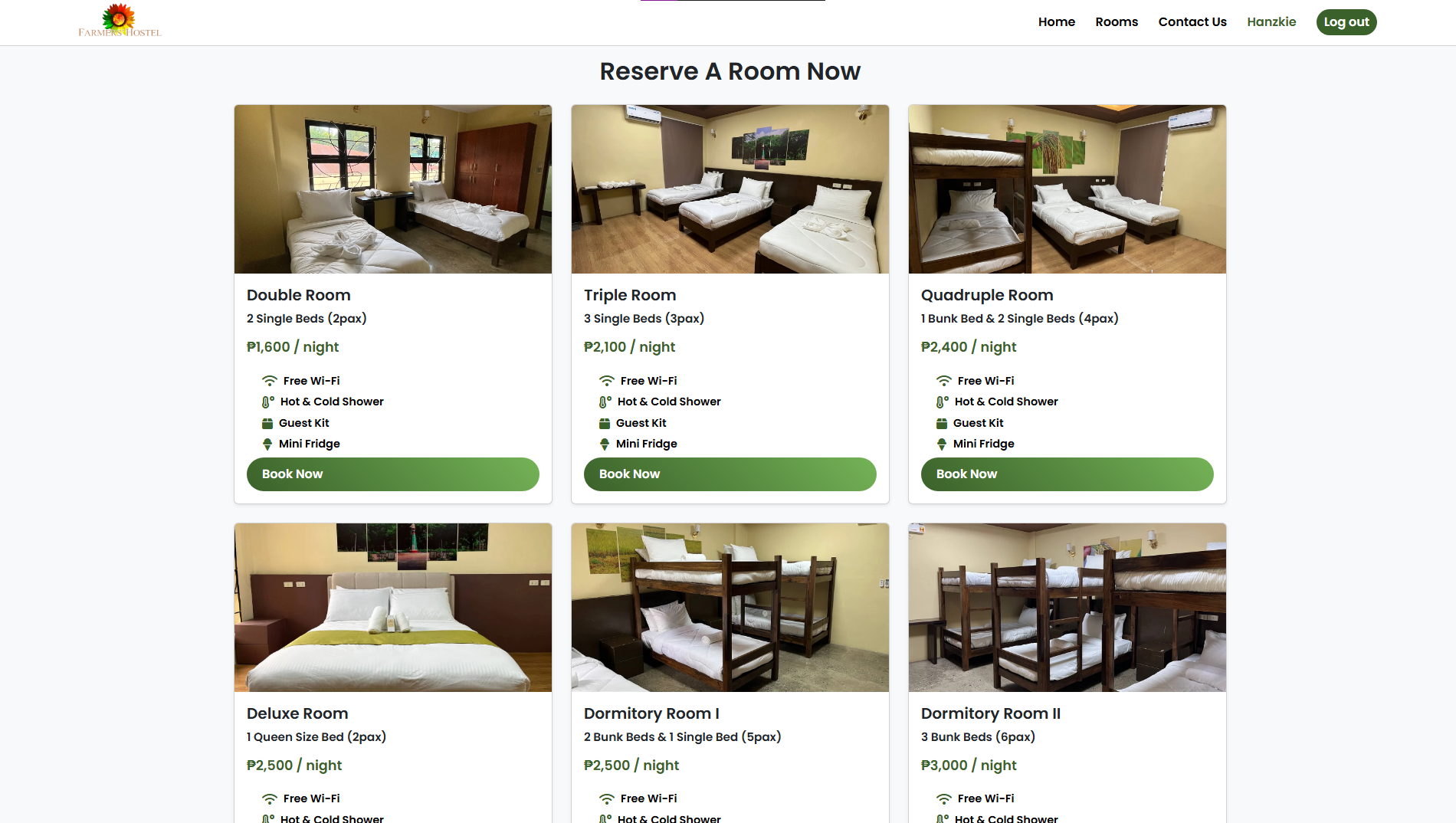
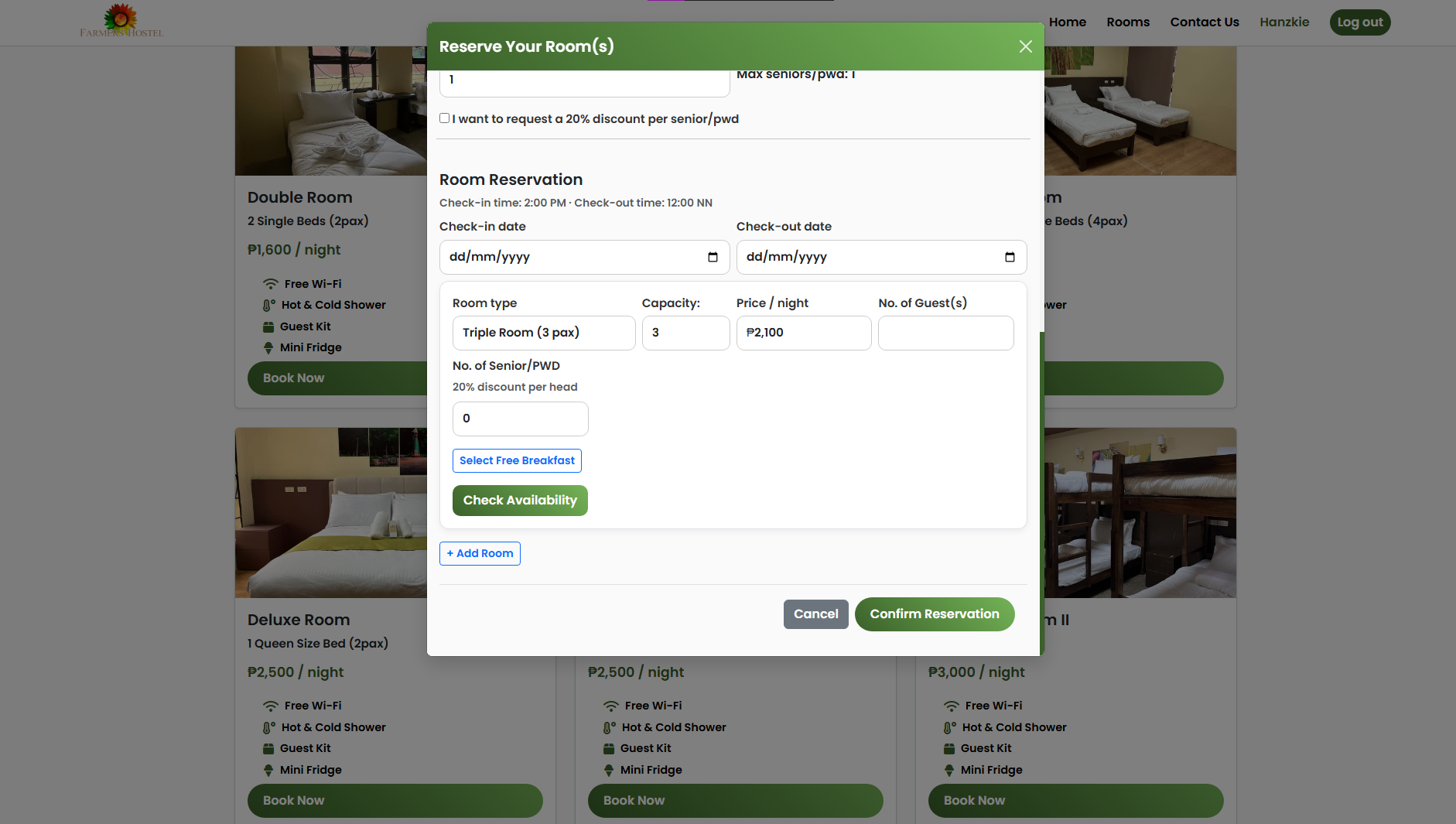
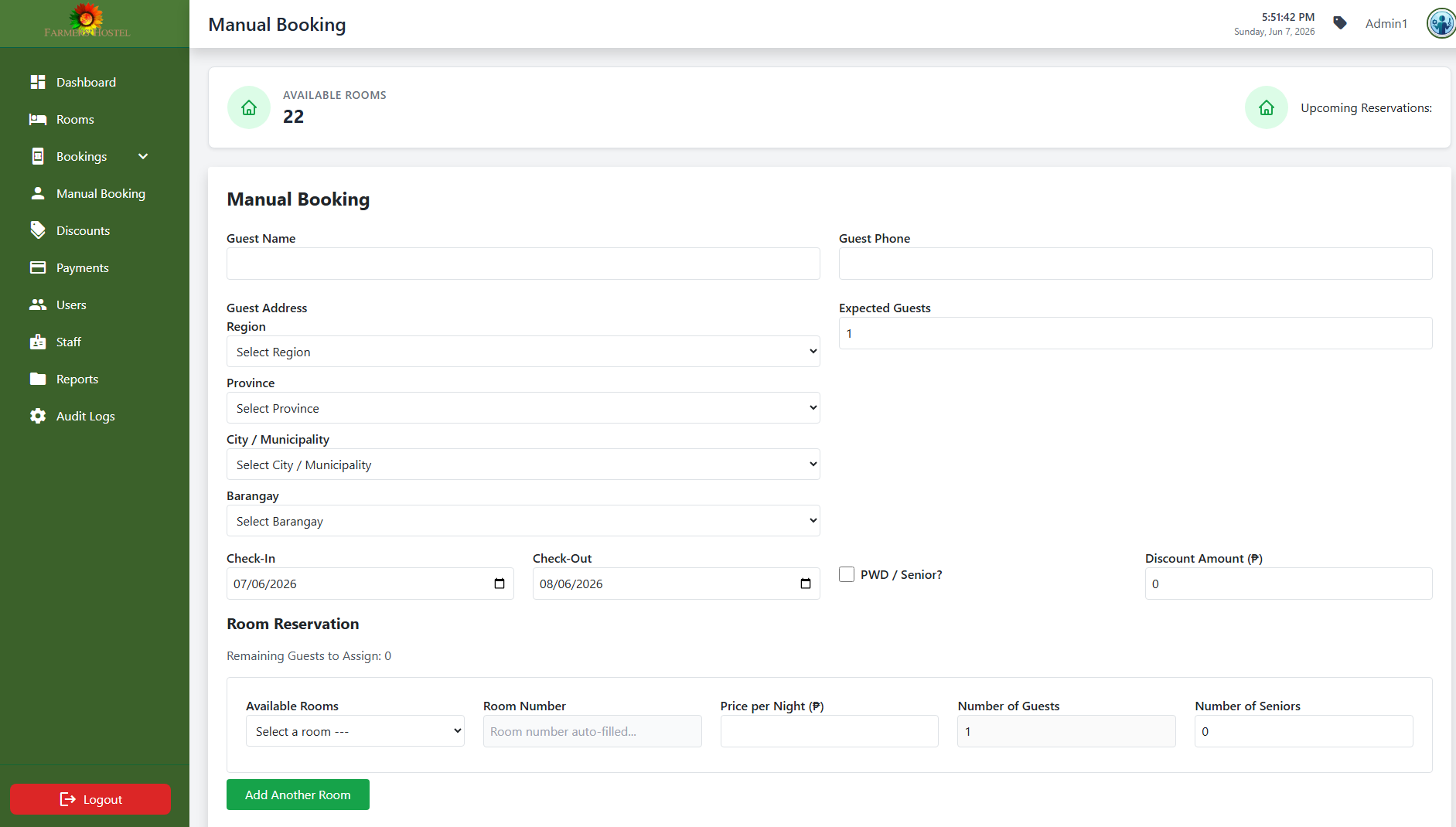
On the user side, the system enables real-time room availability checking and online booking with occupancy validation, ensuring that reservations are only accepted when capacity constraints are satisfied. It supports multi-room reservations within a single booking request, walk-in guest processing, and structured discount request submission for eligible users such as senior citizens and PWDs. The system also includes automated email notifications, such as sending receipts upon successful payment.
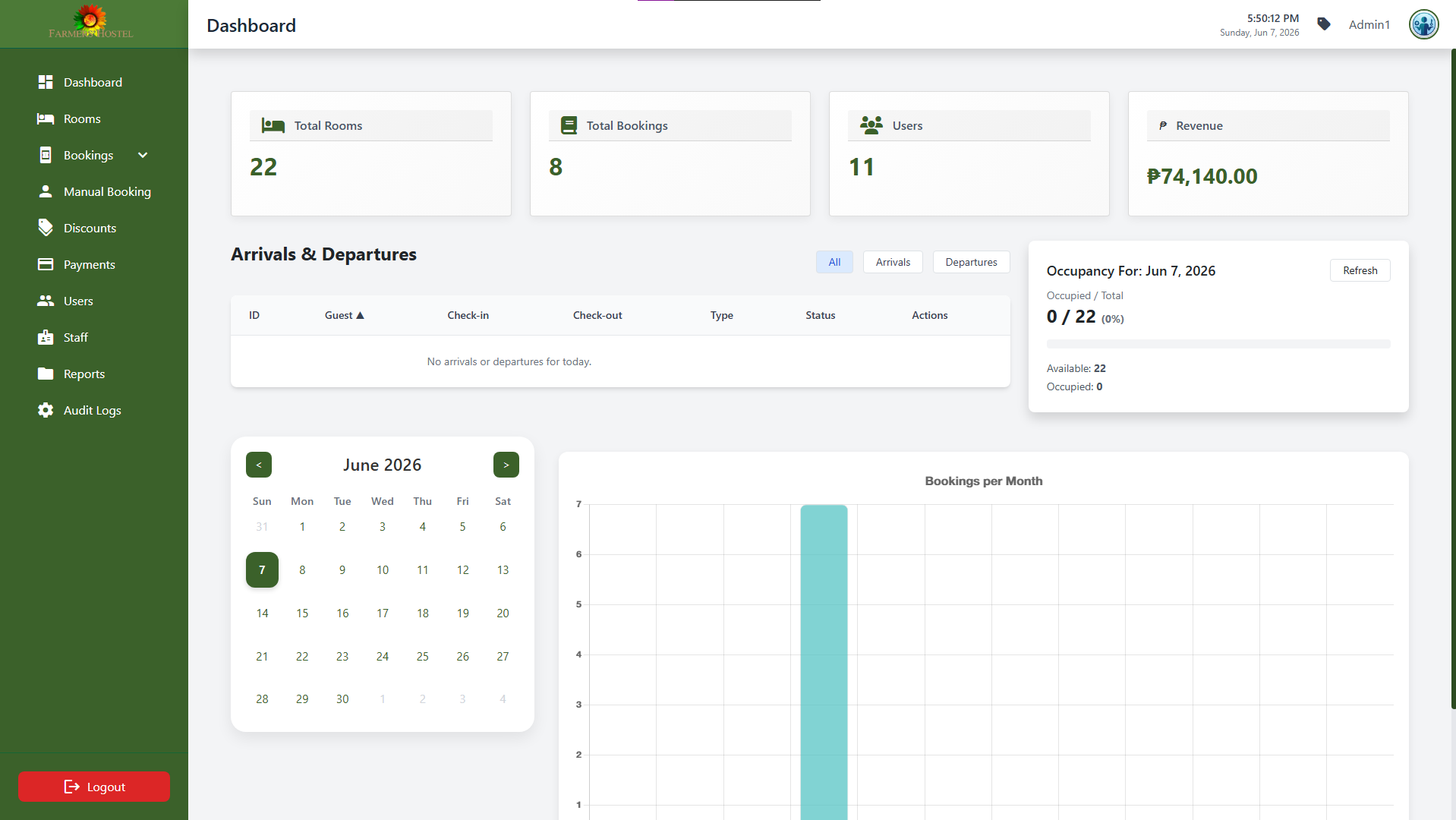
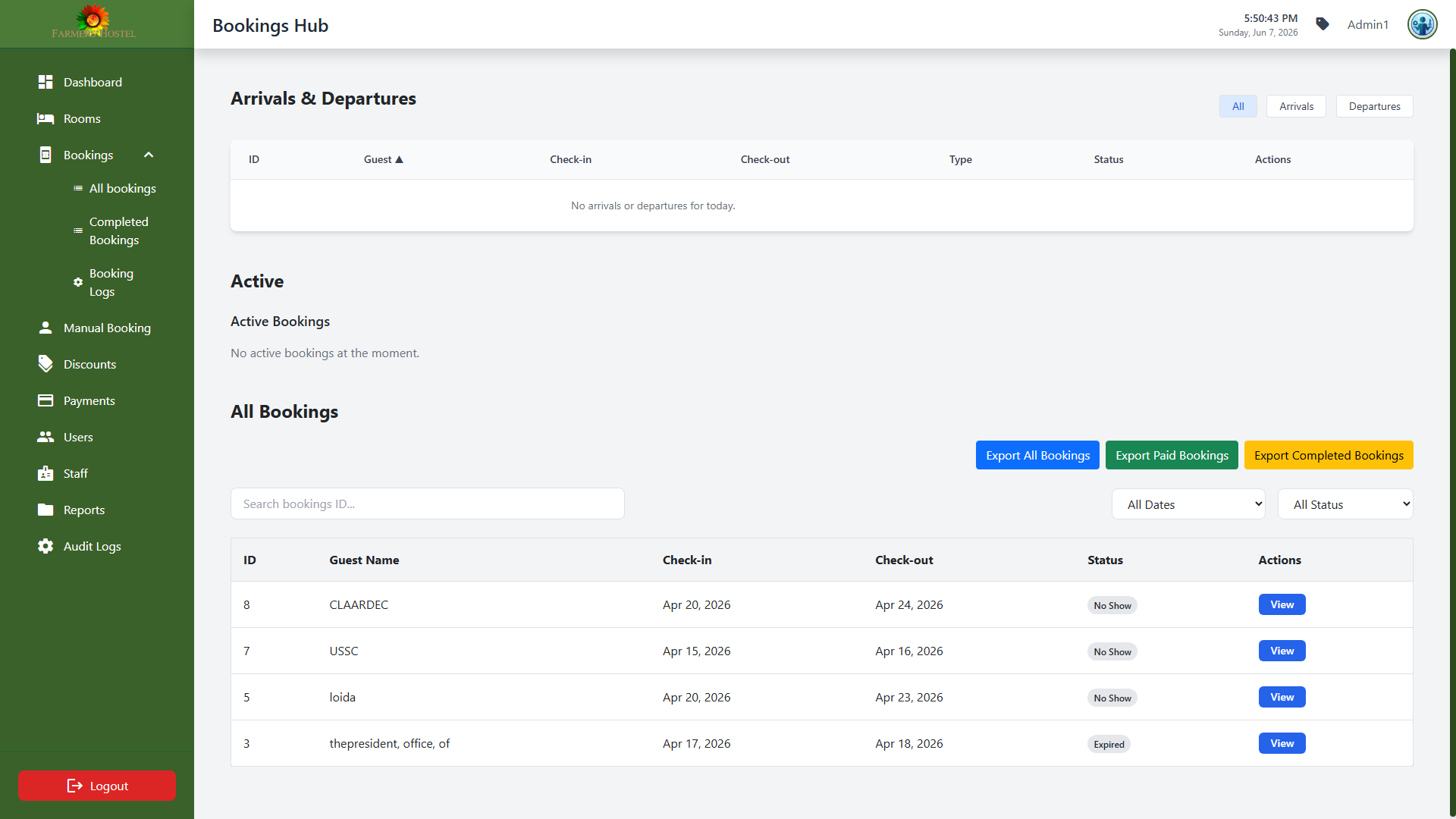
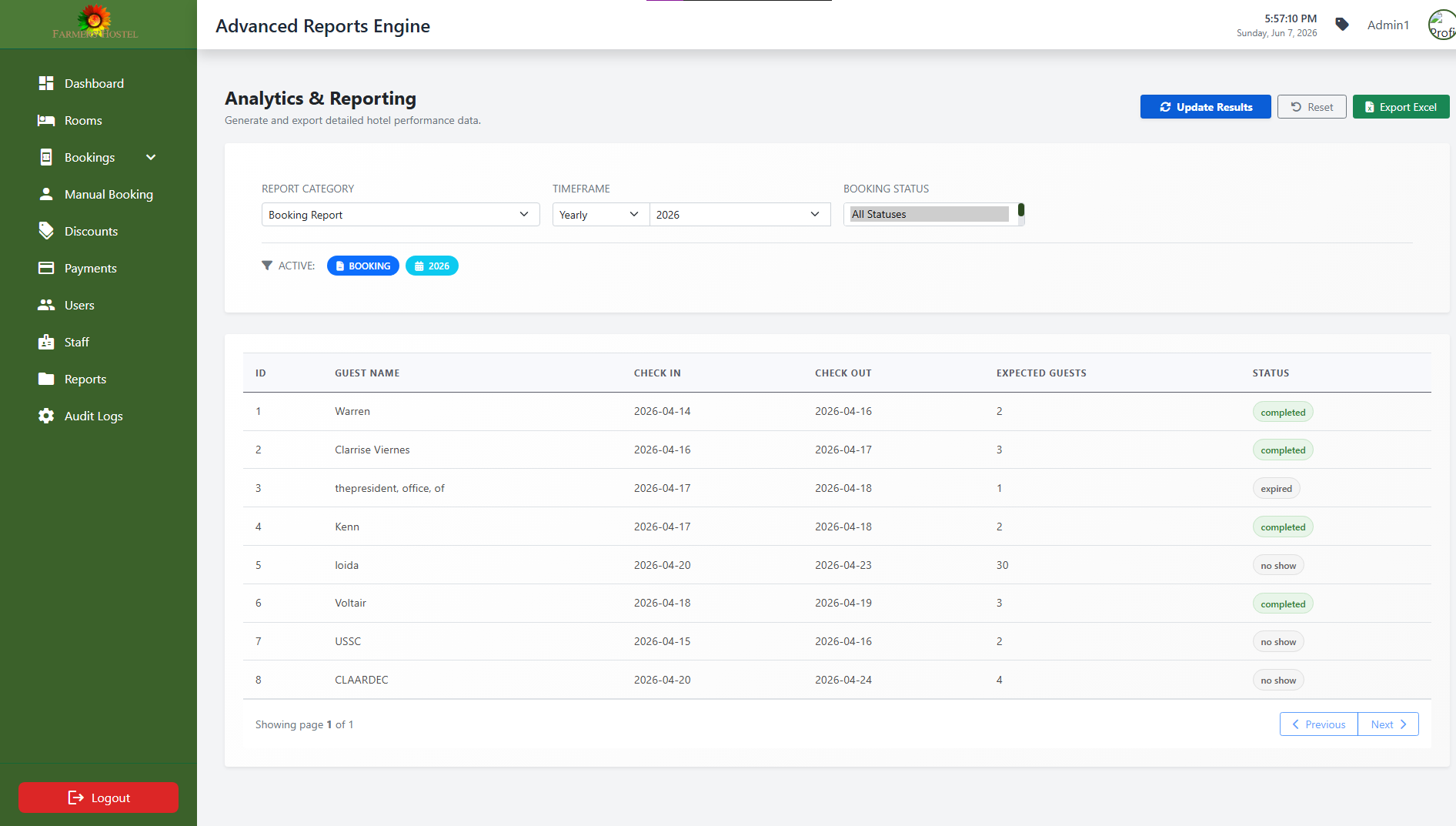
On the administrative side, the system provides a powerful management dashboard featuring data visualizations, role-based interfaces (e.g., manager and front desk staff), and advanced relational reporting. Administrators can generate complex reports spanning multiple entities such as bookings and payments across specific date ranges. The system also includes full tracking of bookings, users, staff activities, discounts, and payments, alongside audit logs for accountability.
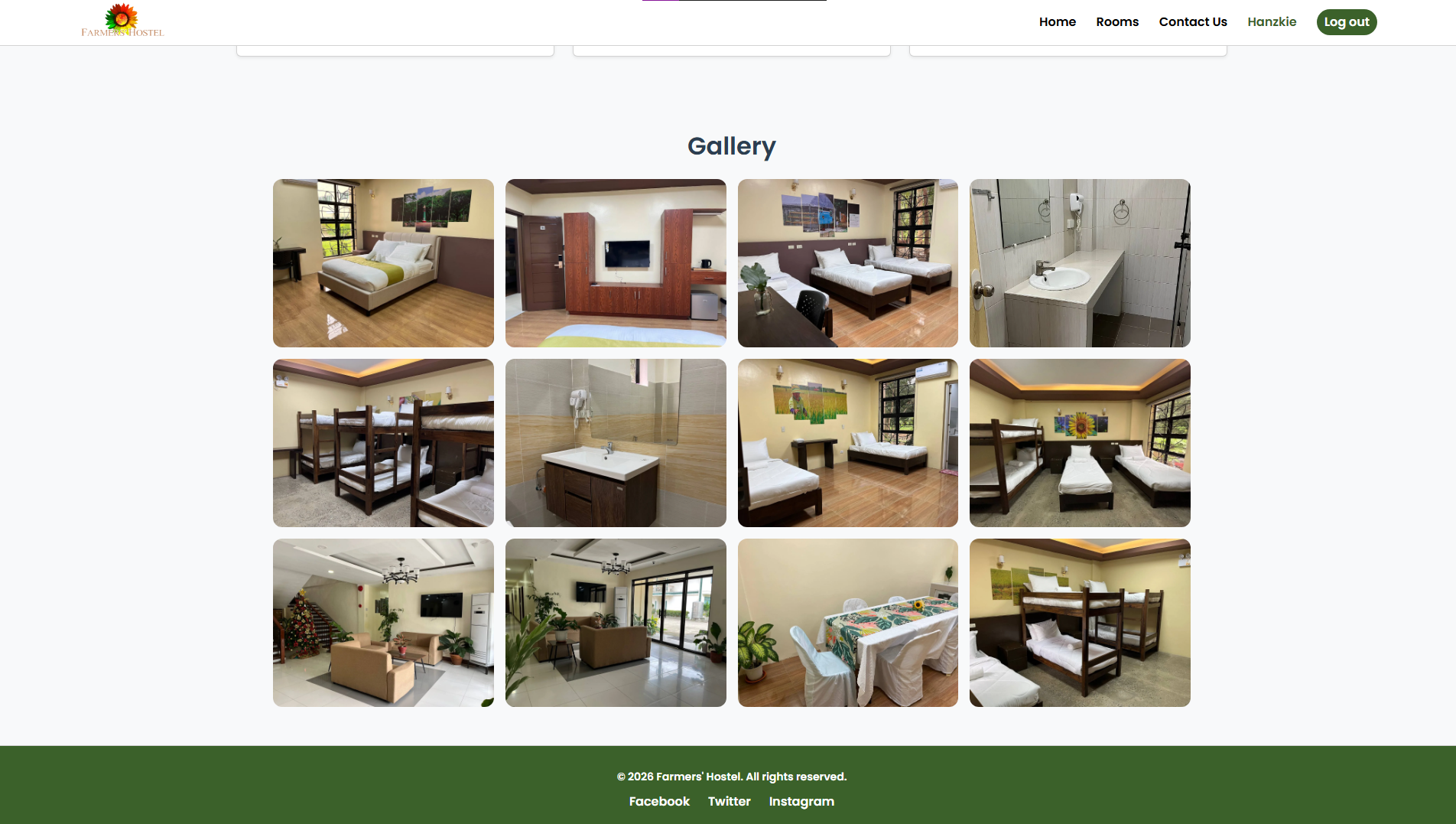
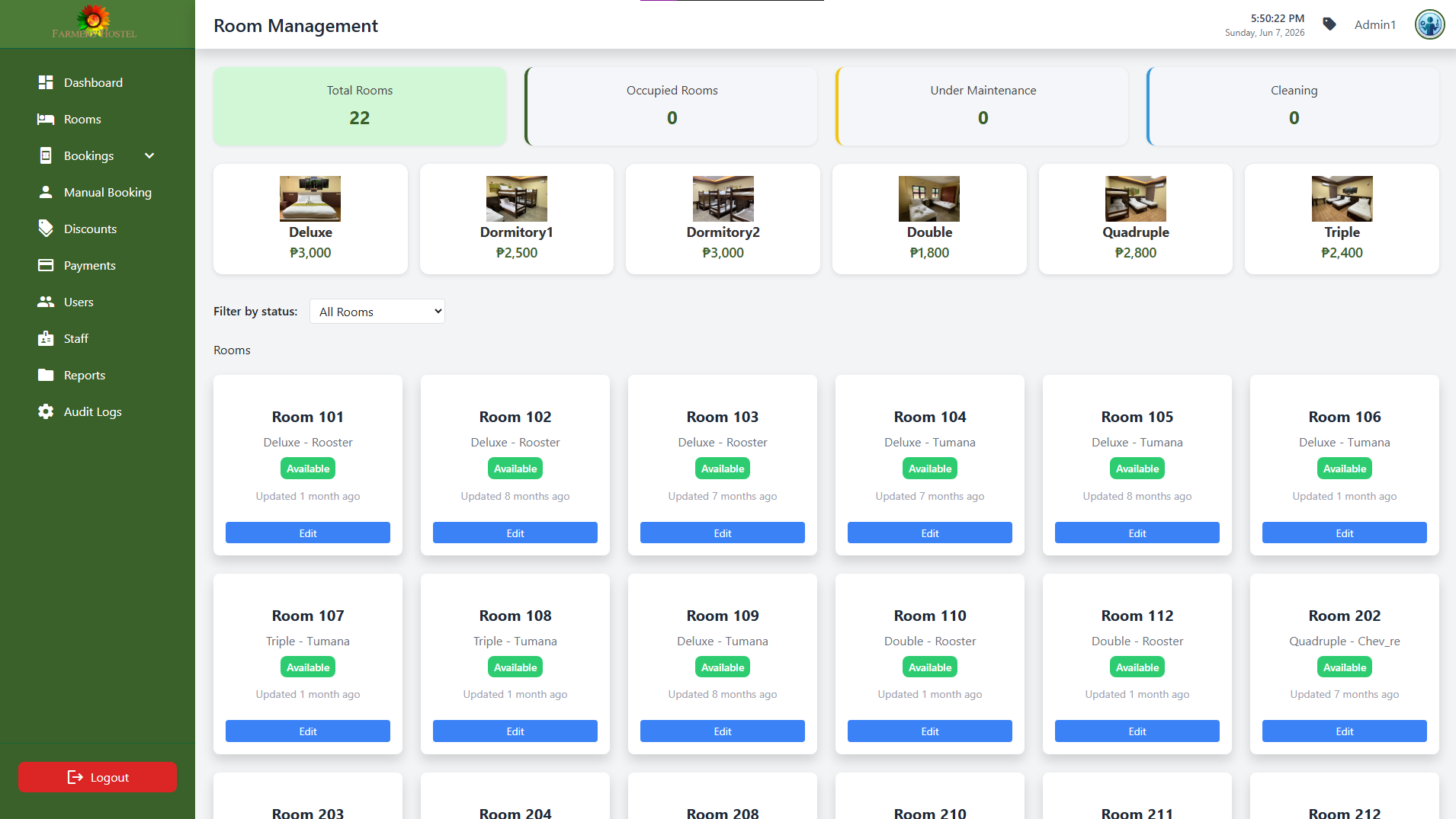
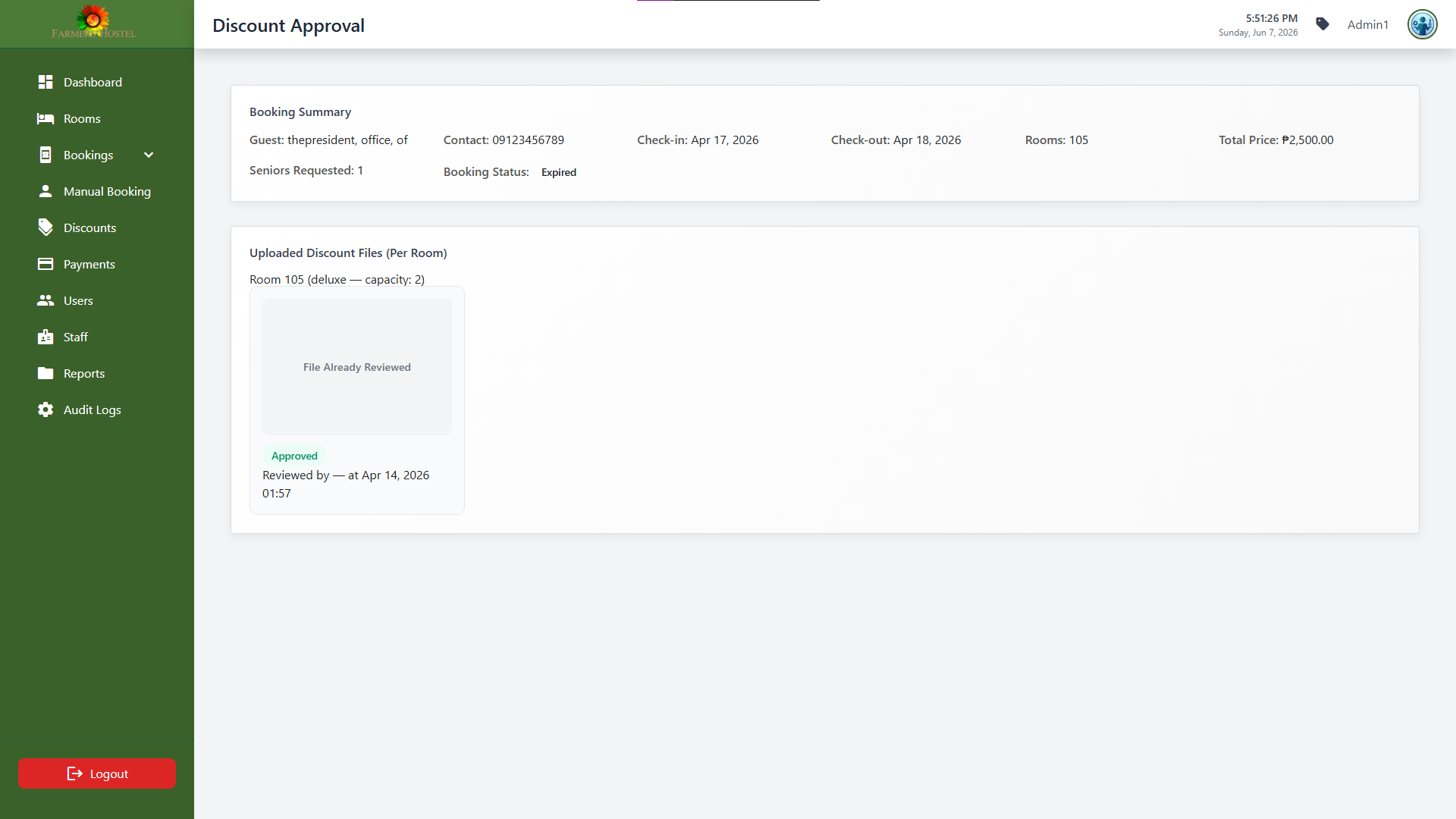
Additional operational modules include a CMS for room management, occupancy tracking, and a structured discount review workflow where uploaded documents are evaluated before approval or rejection.
Overall, the system emphasizes automation, data integrity, and real-time operational control for hotel management workflows.
Architecture
Technical Implementation
The system follows a layered MVC architecture extended with real-time and event-driven capabilities using Laravel. The presentation layer is implemented through Blade templates with role-based rendering, where the interface dynamically adjusts depending on whether the user is an admin, manager, front desk staff, or customer. This layer handles core user interactions such as room browsing, booking creation, walk-in processing, and administrative dashboards for monitoring system activity and analytics.
The application layer contains the core business logic of the system and is responsible for enforcing booking rules, managing reservations, handling payment workflows, and processing discount requests. It ensures that occupancy constraints are validated in real time to prevent overbooking, supports multi-room reservations within a single booking transaction, and applies system rules such as booking expiry for unpaid reservations and automatic no-show marking based on check-in conditions. This layer also coordinates the workflow for discount validation, including document submission, review, and approval or rejection processes.
The data layer is built on a normalized relational database schema designed around key transactional entities such as bookings, reservations, rooms, payments, discounts, users, staff roles, and audit logs. Relationships between these entities are structured to support complex queries and reporting requirements, particularly those involving cross-entity joins such as bookings filtered by payment status or date ranges. This structure ensures data integrity while enabling flexible and scalable reporting capabilities.
The system also incorporates real-time and event-driven functionality using Laravel ecosystem tools such as Livewire and background job processing. Livewire is used to provide real-time updates for features such as discount request notifications and booking status tracking, while asynchronous processes handle automated tasks like sending email receipts upon successful payment and executing scheduled rules for booking expiry and no-show detection.
From a design perspective, the system emphasizes automation, data consistency, and operational efficiency. Role-based access control is enforced throughout the application to ensure that each user type has access only to relevant features and data. The architecture is also designed to be extensible, allowing new room types, pricing rules, reporting modules, and operational workflows to be added without significant restructuring of the existing system.